

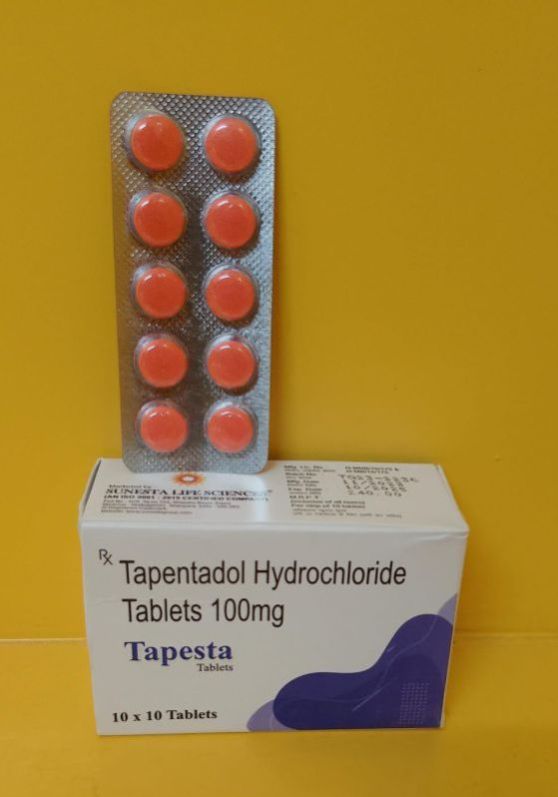
H1: Tapentadol: Uses, Dosage, Side Effects, and Important Safety Information
Tapentadol is a prescription medication used to manage moderate to severe pain. It belongs to a class of medicines known as opioid analgesics and works by affecting the brain’s pain receptors. Because of its strength and potential risks, tapentadol should only be used under medical supervision.
In this guide, we’ll cover tapentadol uses, dosage, side effects, warnings, and safety information to help patients understand this medication better.
H2: What Is Tapentadol Used For?
Tapentadol is commonly prescribed for:
- Moderate to severe acute pain
- Chronic pain conditions
- Neuropathic pain (nerve pain)
- Pain after surgery
- Musculoskeletal pain
Doctors may prescribe extended-release formulations for long-term pain management.
H3: How Tapentadol Works
Tapentadol works through two mechanisms:
- It binds to opioid receptors in the brain to reduce pain perception.
- It inhibits norepinephrine reuptake, which enhances pain control.
This dual action makes tapentadol different from many traditional opioids.
H2: Tapentadol Dosage Information
The correct tapentadol dosage depends on:
- The patient’s age
- Pain severity
- Medical history
- Previous opioid use
Important: Never adjust your dose without consulting your healthcare provider.
Typical dosage forms include:
- Immediate-release tablets
- Extended-release tablets
Taking more than prescribed increases the risk of overdose and serious side effects.
H2: Tapentadol Side Effects
Like all opioid medications, tapentadol may cause side effects.
H3: Common Side Effects
- Nausea
- Dizziness
- Drowsiness
- Constipation
- Headache
H3: Serious Side Effects
- Slow or difficult breathing
- Severe allergic reactions
- Confusion
- Dependence or addiction
- Overdose
Seek immediate medical attention if severe symptoms occur.
H2: Is Tapentadol Safe?
Tapentadol can be safe when used exactly as prescribed. However, it carries risks including:
- Physical dependence
- Addiction
- Respiratory depression
- Withdrawal symptoms
It should not be combined with alcohol or certain medications like benzodiazepines unless directed by a doctor.
H2: Legal and Prescription Requirements
Tapentadol is classified as a controlled prescription medication in many countries. This means:
- It requires a valid prescription from a licensed healthcare provider.
- It should only be obtained from licensed pharmacies.
- Selling or purchasing without proper authorization may be illegal.
Always verify that any pharmacy you use is licensed and regulated.
H2: Frequently Asked Questions (FAQ)
H3: Is tapentadol stronger than tramadol?
Tapentadol is generally considered stronger than tramadol and is typically prescribed for more severe pain.
H3: Can tapentadol cause addiction?
Yes. Like other opioids, tapentadol carries a risk of addiction, especially with long-term use.
H3: Can I stop taking tapentadol suddenly?
No. Stopping suddenly may cause withdrawal symptoms. Your doctor will guide you on tapering safely.
H2: Final Thoughts on Tapentadol
Tapentadol is an effective medication for managing moderate to severe pain, but it must be used responsibly under medical supervision. Understanding proper dosage, side effects, and legal requirements helps ensure safe use.
If you are considering pain treatment options, consult a licensed healthcare professional to determine what is appropriate for your condition.
Learn everything about tapentadol including uses, dosage, side effects, risks, and safety warnings. Complete guide to tapentadol for pain management and responsible use.